Pokemon Home Is Now Available On Nintendo Switch, iOS, And Android

Pokemon Home is now available to download on Nintendo Switch. The cloud-based subscription service, which allows you to transfer Pokemon from previous games into Pokemon Sword and Shield among other features, was previously announced for a February 2020 release window, but the specific date was not confirmed.

Like Pokemon Bank, Pokemon Home allows you to store Pokemon you’ve caught across various games. There are two versions of Pokemon Home: the Nintendo Switch app and the mobile app. The mobile version has distinct features, including trading, and is a companion app to the Switch one rather than an alternative. The Nintendo Switch, Android, and iOS versions are all now available to download.

There are also two pricing plans for Pokemon Home overall. The free version includes most of the service’s features but in a limited capacity, while the paid version gives you perks like added storage. One month of Pokemon Home Premium costs $3, three months is $5, and 12 months is $16. See the full breakdown of both pricing plans for details.

To commemorate the launch of Pokemon Home, The Pokemon Company is offering a free month of Pokemon Bank, the storage service on 3DS–as well as the related Poke Transporter app, which is used to migrate Pokemon from DS games over to Bank. Pokemon Bank typically costs $5 USD per year, so this promotion means that players looking to transfer Pokemon from their 3DS games via Bank to Pokemon Home won’t have to pay for two (or any) subscription fees to do it.

Make sure to read our feature on everything we know about Pokemon Home, which includes pricing details, information on how to trade, and more all in one place.

PS5 Website Launches -Price, Release Date, And More Details Coming Soon

PlayStation 5 is on the way, but many of the biggest details have not yet been shared.

The PlayStation 5 is launching this year–its release is coming sometime this fall–and now Sony has opened next-generation console’s official website. The dedicated landing page doesn’t feature many details yet, but it does offer a sign-up for a newsletter and a brief promise of announcements to come, including those concerning some of the major unanswered questions, including the system’s exact release date and price.
“We’ve begun to share some of the incredible features you can expect from PlayStation 5, but we’re not quite ready to fully unveil the next generation of PlayStation,” the page reads. “Sign up below to be among the first to receive updates as we announce them, including news on the PS5 release date, PS5 price and the upcoming roster of PS5 launch games.”
Now Playing: PS5 Price Still A Secret – GS News Update

Most recently, Sony showed off the logo at the Consumer Electronics Show, after revealing its official name will follow the conventional PlayStation naming scheme. We’ve also received a number of technical details, including the inclusion of a solid-state drive. The hardware is said to support 4K and ray-tracing, and the new controller will use haptic feedback and “adaptive triggers” that will allow developers to adjust the tension for different in-game actions.

We’re not sure exactly when we might hear more about the PS5, but if it’s anything like the PlayStation 4 rollout Sony will host a dedicated PlayStation Meeting event to unveil it. We already know that Sony is skipping E3 again, so it won’t be debuted there. Sony also recently explained that it hasn’t decided on a price point quite yet–and it’s watching the competition.

Speaking of competition, the Xbox Series X is also coming in Holiday 2020. Microsoft has teased that the Xbox Series X won’t be “out of position” as it relates to power and price.

The Division 2’s Big New York Update Is Just What The Game Needs

Finish the fight.

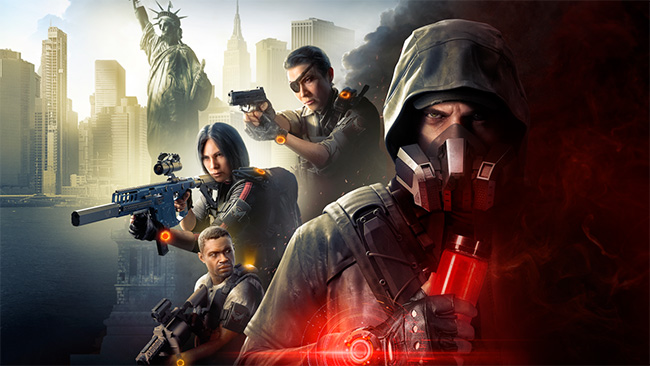
       While the original Division took some time to define its world and action-RPG mechanics after its launch, its sequel The Division 2 largely made good on the concept of an open-world looter-shooter. Over the course of its first year, The Division 2’s post-launch campaign fleshed out its gameplay and narrative set within a post-collapse Washington D.C, where you faced off against growing enemy factions and amassed more loot. But now, players are in for a return trip to where it all started: New York City.
       Set for release on March 3 for PS4, Xbox One, and PC, Warlords of New York is the first major expansion for The Division 2. As a $30 standalone expansion that marks the beginning of Year 2 content, it focuses on a mission to retake the ruins of Manhattan from a cabal of rogue agents. Just before Ubisoft’s livestream reveal, we spent some time with a new and improved Division 2 set in an eerie, yet still familiar New York City. Unlike The Division 2’s recent DLC episodes, Warlords of New York opens up a new world space to explore, while also ushering in sweeping revamps to existing gear and leveling systems.

Now Playing: 15 Minutes Of The Division 2: Warlords Of New York Gameplay


Continuing on with The Division 2’s mantra of “endgame first,” the expansion brings new avenues to level up your character and acquire more power. In addition to upping the level cap to 40, developer Massive Studio has included a new infinite leveling system to let endgame players spend those stray SHD tokens on minor stat buffs. Similar to the Paragon system from Diablo III, this new meta-leveling system is another way to increase your character’s abilities in the ways you want alongside finding new loot.

The gear system has also been streamlined and refocused to make aspects of character growth clearer. One big change coming to the loot is the inclusion of “god-roll” items, which are weapons that have a particular set of stats up buffs that make it stand apart from duplicates like it. During our talk with the developers, they noticed that it was easy for players to feel overwhelmed by how character growth was conveyed, particularly with how many stats were displayed in the menu. In addition to streamlining the gear UI, which tucks away some of the more inconsequential stats under the hood, the skill menus have also been overhauled to make it easier for players to pick their abilities and decide on character builds.


I found this revised leveling system to be most welcome, mostly on account of how cumbersome much of the stat-tracking was towards The Division 2’s original endgame. With the new story and world space to explore, the revamped gear and leveling system make it feel something like a fresh start, which is appropriate for the upcoming revisit to The Division 1’s old stomping grounds.

No Caption Provided

While the return to New York will likely evoke some nostalgia for the cold, snowy streets of Times Square, you’re exploring an entirely new area of town in a different season. The storyline for Warlords takes place eight months following the initial outbreak, and just after a catastrophic hurricane hit the island. The expansion focuses on the search for a sect of rogue agents led by Aaron Keener, who fans of the original game will recognize as the disavowed operative who operates with brutal tactics–which now includes a new strain of the Black Friday virus. Hunkered down in a massive stronghold in Lower Manhattan, the Division agents need to track down his four lieutenants and face off against the new and improved factions of NYC, including the returning antagonists the Cleaners and the Rikers.

What’s interesting about the Warlords of New York is that it not only serves as new endgame content for existing players, but it also works as a worthy jumping-on point. For new players who purchase both the base game and expansion, you can start your game immediately at level 30 and dive straight into the Warlords storyline. According to world content manager Cloe Hammoud, The Division 2’s expansion explores some familiar territory, but the revisit will show a different side of the Big Apple.

“While it’s a very narrative-driven expansion that has you explore New York, there are no constraints when you compare it to the original game,” said Hammoud. “It’s summer, eight months after the outbreak, and things are different. The returning factions from the first game now have the new rogue agent embedded within, so now, it’s New York with all of these different slices of personality, and it’s scary to see how it’s changed. This is why we wanted to create a brand-new map to explore. I feel this is a really good way to be able to tell stories of the background of the rogue agents and making sure they have their personality and the skills that the players will have as well. So it’s interesting to link this to the gameplay aspect, and the narrative aspects.”

I had a particular fondness for the atmosphere of the original, and while I enjoyed the scale of D.C and its depth, I felt it didn’t have the same level of personality as its predecessor. So one of the biggest things I appreciated about this revisit to the world of the original was that the plot of Warlords of New York serves as something of an extended epilogue to the first game. In hindsight, the jump to the second game was a jarring shift for veterans, which didn’t leave much in the room for closure for what happened in New York City and its vast underground. The first expansion aims to show just what happened to Manhattan, and how things ultimately got worse in the months after.

No Caption Provided

While exploring the new open world of Lower Manhattan and its four zones–Two Bridges, Civic Center, Battery Park, and the Financial District–you’ll be able to engage in side-activities and larger missions. Depending on where you are in terms of character growth, you’ll see a set of tasks come up that reflect your current standing in the early, mid, to late-game. That familiar loop of stop, shoot, and loot are in full swing in the expansion. While this doesn’t drastically modify the online looter-shooter dynamic, Warlords of New York does have a more narrative-driven questline that introduces some set-pieces that aren’t afraid to get weird. There’s a surprisingly unsettling vibe permeating the ruins of Lower Manhattan, which makes exploring and working through the wreckage feel a bit eerie. During our hands-on, we went on the hunt for Theo Parnell, Keener’s tech-expert, who employs decoy holograms. Throughout this mission, the target will engage life-like holograms while taunting you from the shadows. The mission hits its climax when you confront Parnell and eventually take the decoy tech for yourself.

Like the recent DLC episodes, Warlords will include a set of new skills and upgrades. Each of Keener’s lieutenants possesses a signature ability, which you can take after beating them in combat such as the new Decoy tool and the returning Sticky Bombs. Along with these main missions are a suite of side-activities that yield additional loot and intel that reveals more background for each character. It’s a familiar loop, one that can likely inspire some feelings of repetition, but it was something the developers didn’t want to deviate too far from. In the time since the original game’s launch, they stated they were pleased with how players were able to pick up different aspects of the game. However, they also said that more was needed to ensure that new players can come in as well.

“I think it was super interesting to see players really owning the game, discovering the missions, and living in the open worlds as well,” Hammoud said. “They were able to beat the missions and activities that we’ve created, and we wanted to refine the experience to make sure it was well balanced and adapted to all of the players. We’ve worked on the accessibility alerts on the onboarding, and we really pushed the tutorialization–which we wanted to work on more. These are the elements that we really wanted to refine for the expansion to make sure that we are on point this time around.”

No Caption Provided

As it stands, Warlords of New York looks to be a fun revisit that gives The Division 2 the shot in the arm it needs. A challenge that the sequel faced was that it was released at a time when games-as-a-service titles had become increasingly common. The new batch of content for the game doesn’t seek to reinvent The Division 2, but rather, give more reason to want to engage with its particular approach to the familiar looter-shooter dynamic–which is OK with me.

Even after the end of the main story in Warlords, Ubisoft still has plans for more to come with a new season of content that encompasses both New York and Washington D.C for the next year. Along with that, a new raid known as The Foundry is also on its way, which will be free to all players. With the upcoming launch of Warlords of New York, it could be the second wind the online shooter needed. It’s been an eventful year for the game with its post-launch campaign, but Warlords looks to be a new beginning for the game’s next year of content.

The Last of Us 2 PAX East demo will give players an hour to patrol with Ellie and Dina


(Image credit: Sony / Naughty Dog)

The Last of Us 2 PAX East demo is bringing enough game to justify the struggle for a demo booth slot.
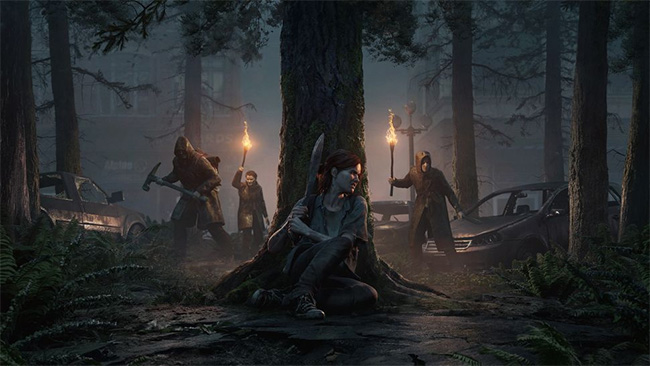
Naughty Dog revealed today that it will bring an hour-long segment of The Last of Us 2 gameplay to the Boston convention: from February 27 to March 1, attendees will be able to try out a section of the game called “Patrol”. This is the part of the game where Ellie and her girlfriend Dina head out of their home town of Jackson to clear out infected in the surrounding area – it sounds similar to the slice we got to try in our The Last of Us 2 hands-on preview.
Hour-long public demos for just about any game, let alone one as hotly anticipated as The Last of Us 2, are almost unheard of. It’s a cool choice given its deliberate pace and the little bit of story Naughty Dog wants to reveal, though it does mean demo slots will likely be an extremely hot commodity. Your best bet at getting in will be to use the Experience PlayStation mobile app, as Naughty Dog says it will make new appointments available each day of the show. You might be able to grab a spot just by dashing to the front of the line as soon as the convention center’s doors open, but no guarantees.
On top of it being the site of the last big show in North America before the game comes out, Boston is also where The Last of Us begins in proper (after a prologue in Texas). On top of that, it’s where Naughty Dog first let fans play the original game back at PAX East 2013.
Naughty Dog has also confirmed that it’s working with suppliers and retailers to make more copies of The Last of Us 2: Ellie Edition available – check out our guide on how to pre-order The Last of Us 2 for more details.


Apex Legends duos return for this Valentine’s Day

(Image credit: EA)

Earn double XP with that special someone.

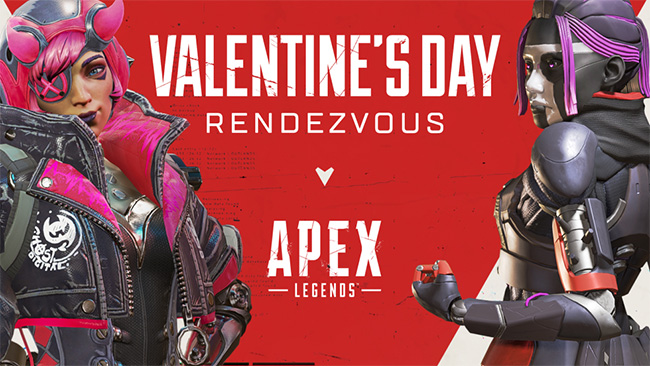
Apex Legends duos is returning in a new Valentine’s Day Rendezvous event.
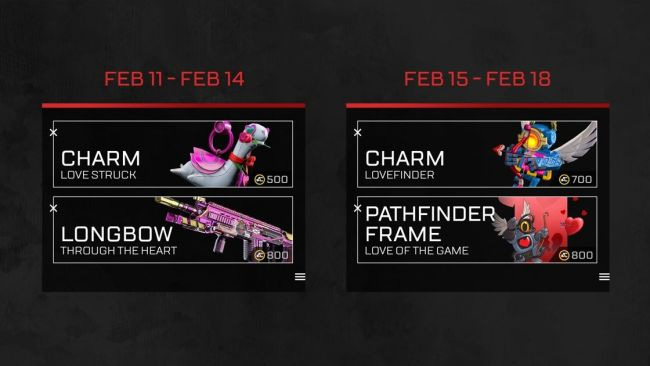
You can play the limited time game mode between 11 February to 18 February. Teaming up with that special someone or a random singleton will net you double XP (up to 20k per day) for the duration of the event. 
In addition to duos, last year’s “Through the Heart” DMR weapon and “Love of the Game” cosmetic banner will also be returning, at a discounted price to boot. Even more new content will also be arriving in the form of “Love Struck” and “Love Finder” charms.


Although Respawn hasn’t confirmed an exact time for the Valentine’s Day Rendezvous event, if previous updates are anything to go by, a 1PM EST / 6PM GMT launch is pretty likely.

It’s been a busy time for Apex players recently. With the release of season 4, Apex Legends has received a slew of new content, the update to World’s Edge has torn Capitol City in half, and scattered new locations and points of interest across the map. Not long after the World’s Edge map received it’s update, rumours began emerging regarding the return of the Kings Canyon map.

Season 4 also saw a new champion, Revenant, enter the battlefield. They’re a vengeful assassin who has an obsession with death. On top of that, a new weapon, the Sentinel, was introduced. It’s a bolt-action sniper rifle with a reasonably quick rate of fire, and the ability to charge up shots for extra damage. 


Transport Fever 2 Review


This sim successfully arrives at its destination, eventually, despite a few leaves on the line.

Over the years I’ve shouted a lot of weird stuff at my PC in frustration. My poor black rectangle has been on the receiving end of all manner of cursing, insults, and childish outbursts. None of them, however, have been quite as embarrassing as when I yelled “use my train, you pricks!” at Transport Fever 2.
I was trying to modernise Scotland, you see (always a challenge, hohoho! Oh wait I live in Scotland please don’t hurt me). Part of this involved building a passenger train line from the Highland town of Fort William to the burgeoning metropolis that was nineteenth-century Glasgow. I got the line set-up easily enough, but those bloody Highlanders outright refused to use it. It appears the phrase “there can be only one” also refers to the use of post-industrial transportation.

Several expensive ghost-trains and one tantrum later, I started to wonder if the problem wasn’t the people of northern Scotland, but Fort William itself. I promptly established a new bus service (of the horse and cart variety) ferrying Gaels from the far end of town to the station. Success! Use of the Caledonian Express began to pick up, and my angry red finance chart gradually ascended back into the black.
This mixture of frustration and elation sums up my experience of Transport Fever 2, a game in which you turn idle rural backwaters into engines of productivity by connecting them together with planes, trains and automobiles. Its detailed logistics simulation is a delight to tinker with, but it’s not always the most elegant vehicle to pilot, with an underwhelming top-speed and several annoying blind-spots.

(Image credit: Transport Fever)
Transport Fever is basically a colour-flipped Cities: Skylines. Rather than manually expanding settlements and providing public services, your priority is what happens in the space between urban spaces. You make money by picking stuff up in one place and then dropping it off somewhere else. That stuff can be either people, products, or resources.
Let’s say you’ve got a town that wants bread, for example. To supply that settlement with the staff of life, you need to connect a grain farm to a food production factory, then connect the factory to the location in question. You might choose to do this by road, building truck stops at all locations, connecting them together to form a new “Line”, then assigning several trucks to that line to perform the necessary logistics.
You receive payment whenever goods or people are successfully delivered to another location, though that amount varies considerably depending on the type of cargo and the distance it has travelled. You also need to consider how much your transportation chains cost to maintain. Delivering bread by truck is relatively cheap, but it’s also slow, while an individual lorry doesn’t carry that much cargo. A railway line will get more bread to its destination faster, but trains have high purchase and maintenance costs, so you’ve got to make sure you can pack your wagons full of goods before your locomotive arrives at its final destination.
Transport Fever 2 is most enjoyable at two specific points of play. The first is when you’re setting up a new line, figuring out the most cost effective way to get machine parts to Rochdale (TF2 uses randomised maps with real location names), utilising the same train lines without blocking any other routes, establishing a bus service without causing a traffic jam. It’s an engrossing puzzle. Getting everything running like clockwork is supremely gratifying.

(Image credit: Transport Fever)
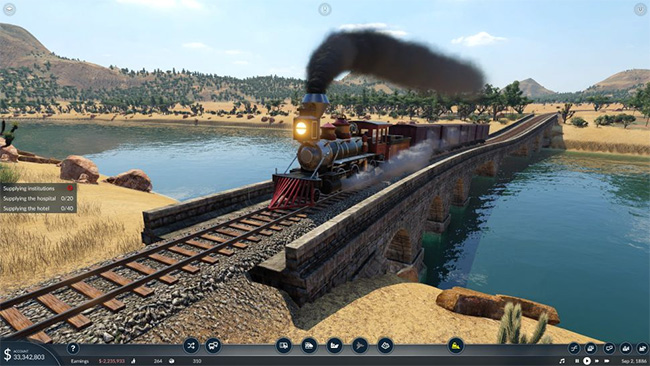
The second is watching those cogs turn. TF2 is brimming with detail. The way cargo stacks up on train platforms and truck bays, the way your public transports affects how civilians move through cities. The vehicle models are wonderfully intricate, down to the flecked paint on diesel trains and the soot stains on old ferries. Transport Fever 2 boasts three distinct historical periods that take you from the steam engines and horse-drawn wagons of the 1850s through to the bullet-trains and jet-liners of the year 2000.
Between those two points, trouble emerges. Altering lines and trains once they’re in place is very fiddly. You can’t simply add in a new bus stop, for example. You must redraw the entire line. Trains, meanwhile, can only be altered in the depot. If you want to make changes on-track, you have to replace the entire train. This would be less of a problem if such alterations weren’t frequently required, as you make new connections which require you to change routes and accommodate for new cargo.
Moreover, while Transport Fever looks great, interactively it lacks the slickness of Cities: Skylines. Roads don’t always connect neatly to infrastructure, leaving unsightly trails in the gap like asphalt spiderwebs, while it’s very easy to misalign railtracks without noticing, forcing you to later scour the map for a tiny break in the chain. When there is a problem with your transport lines, TF2 can be quite vague on what the actual issue is. It would benefit enormously from a “zoom-to” function when a problem is identified. These and other finicky mechanics slow your progress to the point where adjust the route of a train-line can take half an hour.

(Image credit: Transport Fever)
I should also make quick mention of the campaign. which acts as a detailed tutorial to the free game mode. It’s largely well-designed, featuring a wide variety of missions and a good mixture of directed and more open-ended objectives. However, the early game has a strong colonialist bent, in one level literally casting you as the industrial hero bringing civilisation to island savages.
The game forewarns you that it is simply assuming a particular historical worldview, clarifying that the thematic approach is not representative of the developer’s own views. But that’s not an excuse for the inelegance with which is approaches the subject. It’s not like the game is invested in exploring the theme beyond taking what it needs from it, which is more than a little ironic.
It’s particularly odd in what is otherwise a laid-back, gently enjoyable virtual train-set. Transport Fever 2 is hardly a genre trailblazer, but its journey is pleasant enough and despite a few delays, ultimately gets you where you want to go.
PRICES – TRANSPORT FEVER:

THE VERDICT


TRANSPORT FEVER

Transport Fever 2 offers a pleasingly detailed logistics simulation, although it does move mightily slow at times.

Monster Hunter World: Iceborne Review


A thrilling new adventure, but it’s not just the world that’s chilling.


If you’re already a fan and want to know as simply as possible if Iceborne justifies its price tag, then let me put it like this: I had 200 hours in World before this expansion; I’ve racked up almost another 200 since I started it. So yes, there’s a lot of bang for your buck. But if you’re at all interested in Monster Hunter beyond a time sink then Iceborne complicates World in both incredibly interesting and deeply disappointing ways.
Iceborne is a mix of new monsters, regions, mechanics and a whole new endgame, all geared towards veteran players. For those who dipped their toes in World or didn’t see it to the end, Iceborne has almost nothing to offer. Capcom has made this for their dedicated fanbase, and to its credit, managed to offer up not just something that will satisfy the desire for new content, but provide a new structure for the game’s hunts that goes beyond simply offering ‘more’.
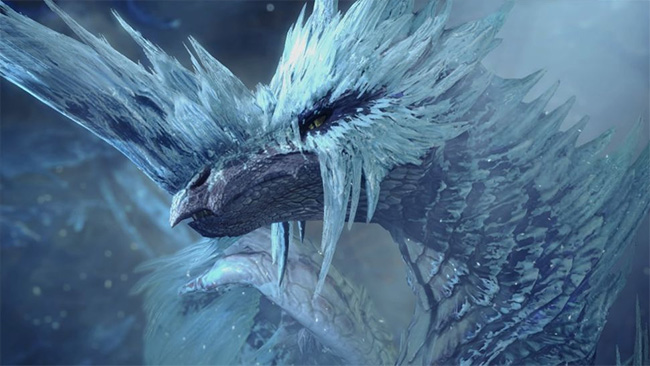
There is a lot more however, with new region Hoarfrost Reach adding a whole biome to expand the delight at the heart of Monster Hunter: getting to traipse around in its ecosystems and see how its monsters interact with them. Whether they’re collapsing ice shelves or tearing up trees for battering rams, there’s a sense of connection between its creatures and their surroundings that sells a rich, tactile world. Yet the better Capcom gets at this, the more convincingly animated and sounding their beasts, the greater the tension between what the game says it is and what it is to actually play.

(Image credit: Capcom)

There’s always been an unease for me in playing these games where I’m asked to go out, invade the habitats of these species and kill them to make the next set of armour and weapons. With World the discomfort was extreme at times, beating monsters till they limped then being asked to lop off their tails to hear whines and squeals. You don’t just kill the monsters in these games—you make them suffer. Engaging as its loop is, as enthralling as its fights are, I’ve always been disappointed that they’ve created such a rich ecosystem and the only thing they can ask me to do in it is murder everything.
Iceborne does dabble in some alternatives with a new sidequest asking you to go out and document the tribes of cats in the world with a camera. For an hour or two I got to see what Monster Hunter might be like if it were more Pokémon Snap, and the result was surprising. Details I’d never seen before kept revealing themselves now I was taking my time to observe. It’s a small thing but a glimpse of what a kinder game could be like, making it all the more apparent what a cruel game Monster Hunter is. 
It’s never stopped me having a blast with the game, but Iceborne makes it even harder to ignore, with cutscene after cutscene featuring our cast of hunters tackle their nature. By tackle, I mean claim to be part of the ecosystem and that, by killing these monsters, they’re somehow preserving things. It’s a preposterous notion (our hunters aren’t even from this continent!) and yet that the characters discuss it suggests Capcom are at least aware of the dissonance in its story. Yet rather than actually address this or just go on ignoring this aspect of its world building, Iceborne lands on an awkward middle ground, drawing attention to the moral bankruptcy of its characters with a nonsense lie. If these games are going to continue to ask me to think about their world then they need to spend more time entertaining the notion that its hunters are the bad guys.

(Image credit: Capcom)
It goes against the charm and warmth of so much of the game too, something that Iceborne excels at. The cosy new hub Seliana is a winter getaway full of delights, new mini games, and even saunas. The new chef, the Grammeowster, is a character of such sheer delight that I audibly squealed the first time I saw her cooking. All of this gets put to use with a vital overhaul of the games social space, with the Seliana Gathering Hub giving players an area where they can spend time together between hunts—letting you craft and access all the vendors alongside one another. It pushes Monster Hunter into a much more readily shared experience, making the game feel like a nightly event. You can all be jumping into the same hunts or off doing your own thing, but you all come back to that same space to hang out, muck about with gestures, show off new weapons or splash in the pool. No, for real, there’s hot pools now.
The craft that goes into all the details of these spaces is absurd and so vital to offsetting the unpleasant moments where you brutally murder a monster fighting for its life. But the juxtaposition between these elements becomes harder to reconcile when the game keeps drawing attention to them.
Yet, in spite of my misgivings, it has to be said that nothing has battles quite like Monster Hunter, and Iceborne is the challenge I’d been waiting for since mastering World. The new fights feel crafted to poke at the weak points in a player’s preparation and tricks. If it’s not the cold eating at your stamina, it’s monsters dripping explosive goo everywhere or wiping you off the map by summoning waves of water. The imagination on display is maintained right through to the final fight, finding ways to surprise and challenge even the most experienced of hunters. That’s no easy feat given the game’s elaborate nature, and doubly so when Iceborne piles on new mechanics. The grappling claw that lets you latch onto monsters and try to steer them into obstacles opens up a whole new skillset to master, and one that changes everything in the base game too.
Iceborne isn’t a full blown sequel, but it still has touches of the radical that revitalises a game that’s still thriving. Like the regions of its game world, Monster Hunter feels alive, bursting at the seams with things to try and, eventually, master. Importantly, it all feels substantial and integrated in ways that complement what’s already there, instead of just being gimmicks to artificially expand the game’s scope. When it comes to the monster hunting itself, Iceborne is Monster Hunter at its peak. 

(Image credit: Capcom)
If there’s one disappointment besides the iffy storyline, it’s the fact that the game still has gendered armour sets and insists on making half of the women’s outfits a combo of boob armour and bikinis. If the game’s whole style was impractical outfits then maybe it’d sit better, but when the dudes are rocking elaborate but practical armour, it’s sad to see the women stuck with mini skirts, their asses pushed into the camera through every crawlspace. Worse, the other half of the women’s armour is great, stylish stuff. So why these fumbles? It’s an objectifying gaze that I’d hoped the series would’ve grown out of.
No matter my complaints there’s no denying how compelling Monster Hunter remains and how much Iceborne excels at improving the fundamental experience. The endgame is a promising new kind of format for the series that makes its hunts feel more organic, instead of the trawls through the quest board that the game utilises most of the time. This new region keeps you out in the world, keeps the monsters coming and reacts to the ones you hunt, evolving as you play. Without giving more away, it simply feels like the culmination of everything World was trying to bring to the series. Couple that with the polish on the multiplayer side and I continue to lose hours to this game. 
There’s so much substantial new stuff here, so much to see and do, it feels like one of those ludicrous platters the hunters are served before a quest. Of course part of that feast is a plethora of cutscenes that construct a clumsy storyline the game could have done without. Perhaps Capcom will one day find a way to engage more carefully with its themes. Until then I’ll still enjoy the platter they’re offering, but it can’t help leaving me feeling a little empty at times.
PRICES – MONSTER HUNTER: WORLD ICEBORNE:

THE VERDICT


MONSTER HUNTER: WORLD ICEBORNE

Fails to explore its themes but still delivers the series’ most potent monster hunting yet.

Designing a more friendly Fortnite with food, puns, and no in-app purchases

Butter Royale takes the genre in a different direction on Apple Arcade

Apple Arcade’s latest hit started out as a joke. The developers at Singapore-based Mighty Bear Games had already pitched an idea to Apple for its new subscription service, but two days before CEO Simon Davis was set to fly to California to iron out the details, someone on the team came up with a pun so powerful it derailed everything. That pun was “butter royale,” and it got the studio thinking about ways to make the ever-popular battle royale genre more approachable. It’s a space dominated by behemoths like FortnitePUBG, and Apex Legends, but Davis thought there was enough room to try something different. “We wanted to give an alternative that was much more accessible and family-friendly and non-threatening,” he explains.
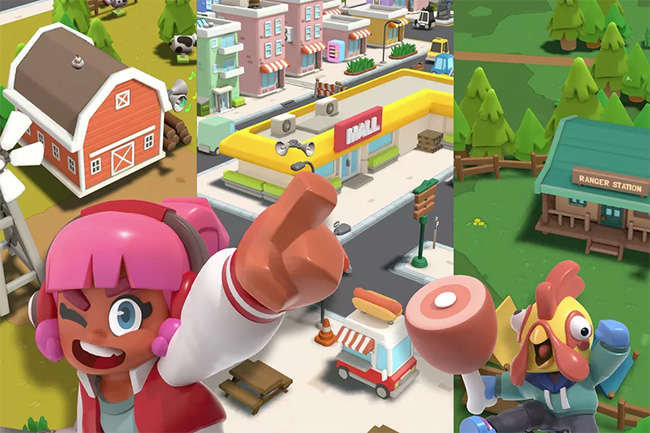
Butter Royale, which is out now, is similar to those games in that the ultimate goal is to be the last player or squad standing. Thirty-two players drop onto a quaint suburban cityscape, and you have to gather up gear and weapons to defend yourself as an encroaching storm forces everyone closer and closer together. But that’s about where the similarities end. For one thing, despite being a top-down shooter, Butter Royale is decidedly nonviolent. It’s less battleground, more food fight. You’ll sling popcorn and hot dogs at other players and fire rockets that are actually baguettes. The encroaching storm, which forces players closer together, is a giant wave of melted butter.
Violence wasn’t the only thing the team wanted to change. Butter Royale is also noticeably simpler than its contemporaries; all you can really do is move and shoot. There’s no building or upgrades to fuss with, and you can only carry one weapon at a time. Similarly, the matches are short, usually clocking in at around five minutes. The goal was to boil the genre down to its essentials so that virtually anyone could pick it up and play. It was a philosophy inspired in part by Nintendo. “Mario Kart is a great example of a universal game that you can play regardless of age or skill,” Davis explains. “But there’s nothing really like that from a shooter perspective.”
Butter Royale
Butter Royale is also different in that it doesn’t ask you for money. As an Apple Arcade release, it’s completely free to subscribers, with no in-app purchases whatsoever. For players who are used to spending cash to get the latest skins in Fortnite or Overwatch, it’s a welcome and occasionally jarring change. Despite this, Butter Royale maintains a familiar structure, with what is essentially a “battle pass” where players unlock content over time. There’s also an in-game shop where you can buy things like new characters with in-game currency, but everything in the game is unlocked entirely through gameplay.
“One of the beauties of being on a subscription service is that you don’t have to worry about monetization,” Davis says. “You just focus on creating the best possible experience for everyone. We know that for online games, people want to unlock content over time, and have something that they can keep working towards. The battle pass system works well in that respect. I think the fact that we’re not pushing power-ups or anything like that, also works in our favor. People generally feel pretty good about it. And having the high-level skins can feel like a marker of status.”
    The game features a huge and — as you can probably guess from the name — very quirky cast of characters to unlock. That includes everything from a grandma with curlers to a young father with a baby strapped to his chest to a bride in a wedding dress. They’re strange, silly, and — most importantly — very diverse.
    According to Davis, around 20 people worked on Butter Royale, with staff hailing from eight different countries. That, combined with the international nature of Apple Arcade (all games have to be localized in a large number of languages, for instance), meant diversity was particularly important. “We wanted to create a game that really reflected who we are and who our players would be as well,” Davis says. “We wanted everyone who plays, wherever they are in the world, to be able to play as someone who looks like them.”
    The team is being quiet on what, specifically, fans can expect in the future. Changes to how progress works are coming, alongside the usual content updates like new weapons and characters. The developers may even experiment with Fortnite-style limited time game modes. But Davis says that Butter Royale has already garnered a very dedicated audience, and the plan is to change the game, in large part, based on their feedback. “We plan to support the game and really listen to our users,” he says.

What Went Wrong With Scalebound?

    Platinum Games has certainly been riding high for a while now, and will probably continue to do so. Why wouldn’t they? They’ve produced some of the previous decade’s most memorable action games despite only existing for a relatively short while compared to other developers of similar skill. After two much smaller companies merged to create Platinum Games in 2007, Sega put them on the map by publishing four of their games. Madworld on the Wii, Infinite Space on the DS, as well as the criminally underrated Vanquish for the same platforms. By the time those four games were out in the wild, Platinum Games would quickly become known for their over the top action, dazzling special effects, and extremely creative artistic designs.
   This would lead them to create many other games over the last several years. Metal Gear Rising: Revengeance, Transformers: Devastation, and Nier: Automata, most notably, were also great games in their own right and further solidified the developer’s reputation as one of the hottest action developers on the scene. However, as Nier: Automata was a timed Playstation 4 exclusive, Platinum also had big plans for an Xbox One exclusive; Scalebound.
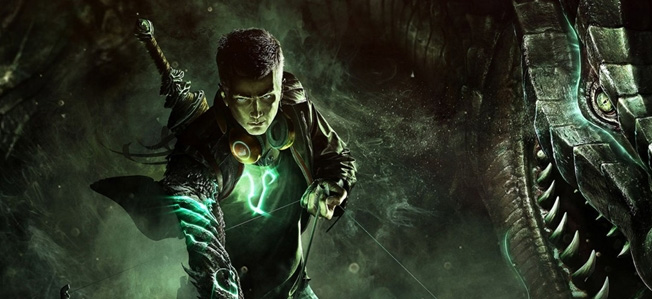
scalebound
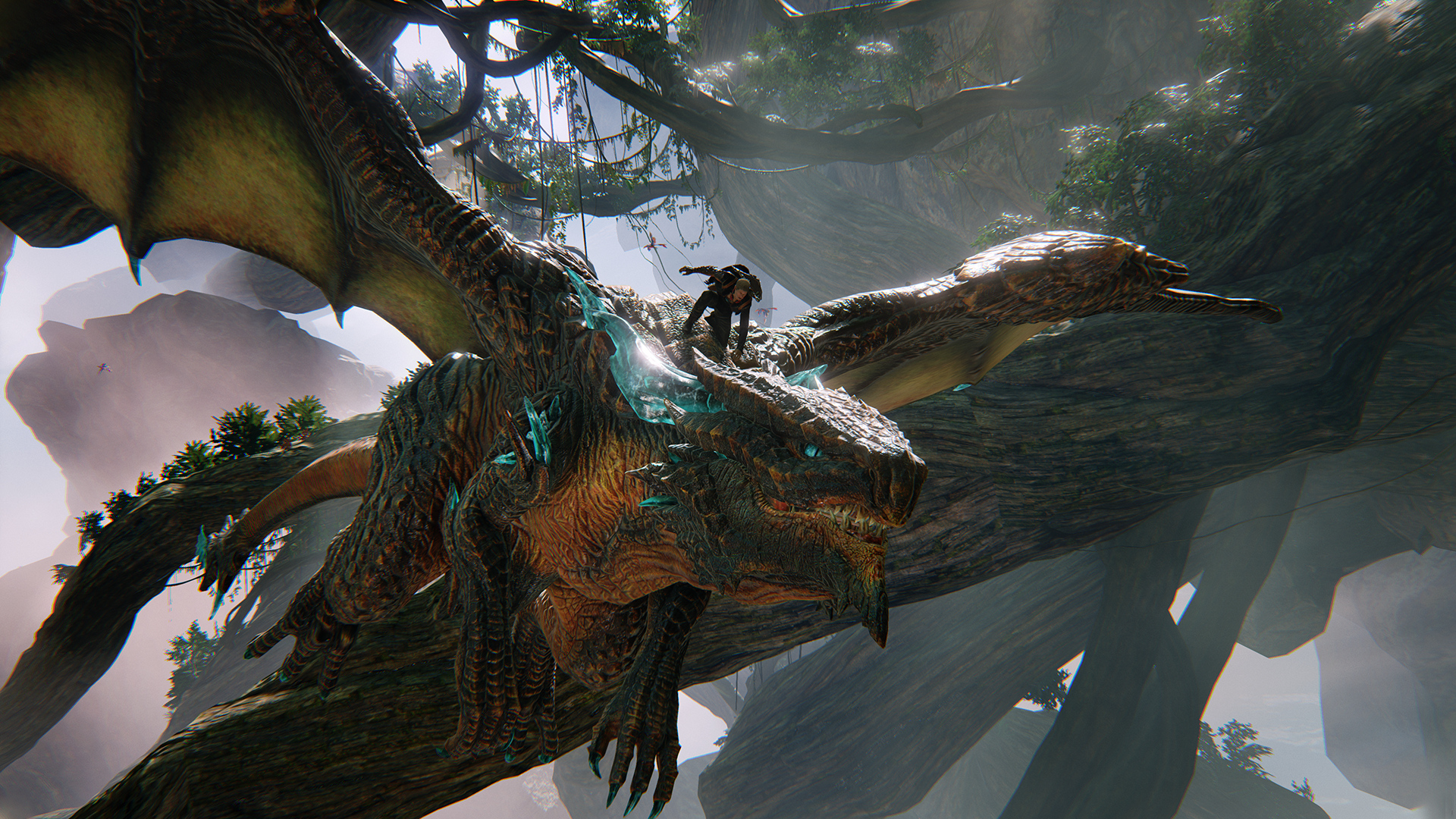
     You may remember it as the insanely cool looking dragon game, but still fit the tone of the game anyway. Where Nier: Automata was more artistic, cerebral and emotional, Scalebound was looking to be more edgy and fueled by a healthy mix of attitude, which was more appropriate for the Xbox audience than the ethereal, nebulous nature of a game like Nier: Automata. Nevertheless, despite being tailor-made for the Xbox audience, Scalebound had the attention of gamers of all persuasions with it’s slick graphics and unique idea of throwing massive dragons into the mix of a modern third-person action game.
     On top of the typical Platinum action game expectations you would have for this game, it would also feature dragon combat, flying, massive arenas, and an interesting dynamic between the main character and his gargantuan dragon that would make you want to protect him, as either character dying would mean certain death for the other. Kind of like Dragonheart.
    With the pedigree of Platinum Games already well-established at this point, and Scalebound looking extremely intense, the game was poised to not only be a success but also potentially serve as a system seller that the Xbox One could have really benefited from. Yet, here we are, with no Scalebound. So what went wrong here? With everything being as in place as it was, and Microsoft on the verge of finally having something new and interesting to garner some new interest in their console which was getting smoked by its competition at the time, how could the game not even make it to store shelves? What the hell happened to Scalebound?
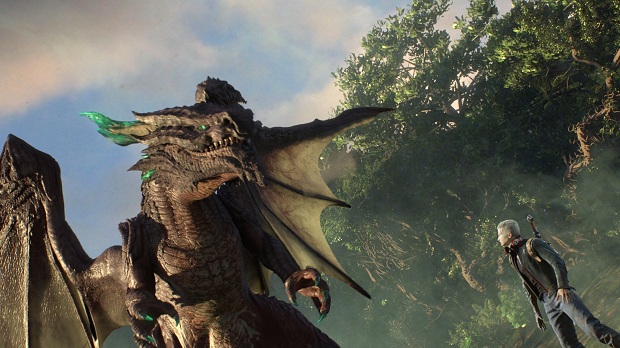
Scalebound
     2014 was an interesting year with the new consoles already out in the wild and battle lines being drawn with Xbox One’s and PS4’s various exclusives and features doing all the talking, one thing was clear, and that was that the Xbox One needed some killer games. The first Scalebound trailer, while only CG, was extremely fascinating and generated some much-needed positive buzz for Microsoft. Behind the scenes however, was a lot of stress and apparent miscommunication between Microsoft and Platinum.
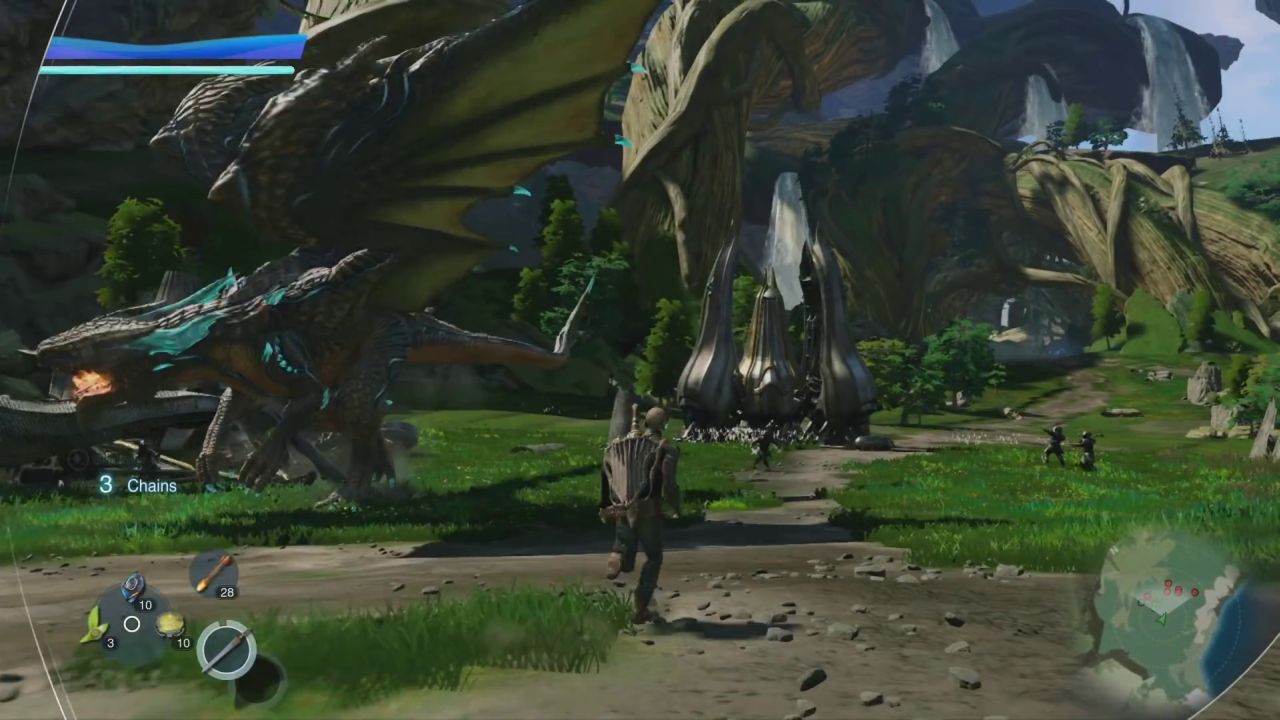
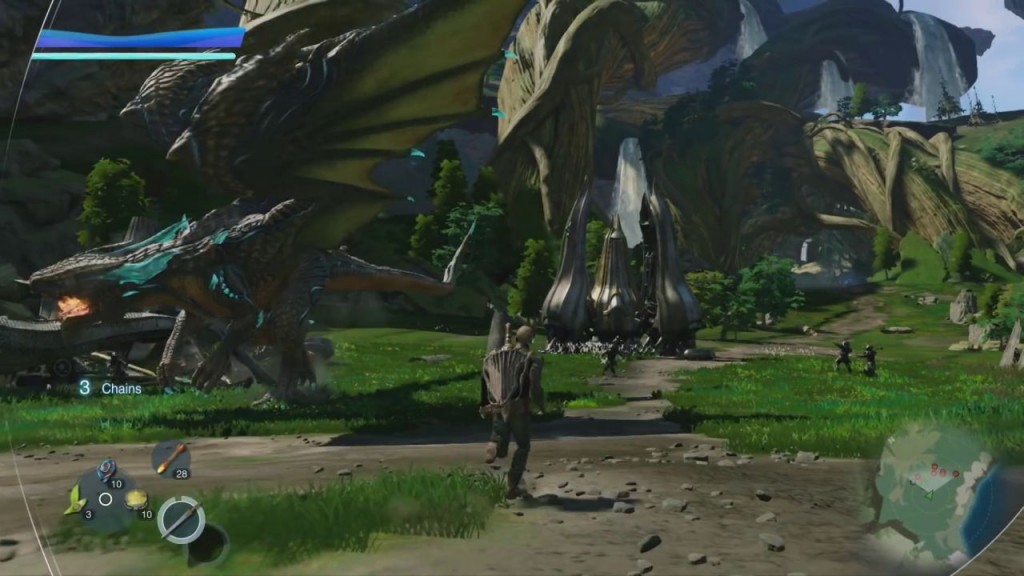
    As you can see from Scalebound’s second trailer which did show off the gameplay, there’s a lot going on here. From the ground attacks of the main character to the dragon-riding mechanics and flying around in the air, surely this was a lot to handle, and perhaps even a bit more than the team was capable of.
Obviously Platinum had shown their ability to pull off several different types of action games, but with all of this added in, it probably ballooned into a much larger undertaking than either they or Microsoft had expected. On top of that, Platinum Games was also working on several different projects at the time, perhaps spreading themselves too thin. Reportedly, Microsoft’s Phil Spencer was not a fan of this as he and others were starting to feel like Platinum wasn’t prioritizing Scalebound as much as they should have been considering the massive amount of money that Microsoft was paying them to make it. This might seem like a cold, corporate way to look at it, but honestly, it’s pretty understandable from Microsoft’s perspective. If somebody gives you money to do X, and you appear to be doing Y, Z, and W with it, wouldn’t they have a right to be a little ticked off about that?
    Microsoft was obviously keeping a closer eye on things than most thought, and many of the top decision makers at Xbox had decided the game wasn’t going to meet expectations set by the trailers. The cancellation of the project was ordered in 2017, as the game was already multiple years into development, and to the dismay of the leagues of gamers who were excited to play it.
     It’s hard to say exactly which party is at fault here, as Microsoft would contend that Platinum was dragging their feet with the game and utilizing Microsoft’s budget in a less than satisfactory manner, Platinum would probably retort that development is never a straight line, and projects should be afforded some space to expand and contract as needed to get the game completed in line with it’s artistic vision.
     Both perspectives are valid ones, although one thing is for sure, a strict attitude like the one coming from Microsoft and the fluid, hectic development style of Platinum appear to just not be a good mix. As Platinum’s work with Sony and Nintendo likely has more chemistry with how Platinum works, Microsoft’s philosophy might just be incompatible, and there’s nothing wrong with that inherently. It’s just unfortunate that we had to lose out on a great looking game like Scalebound for them to figure this out. Sometimes you have to cross a line to know where it is though, and this time, it was Platinum discovering where Microsoft’s lines were, and Microsoft not liking it at all.
  All might not be lost though. Rumors have been swirling about Scalebound coming to the Nintendo Switch for some time now, and with how Platinum and Nintendo successfully teamed up, it doesn’t sound too far-fetched of an idea. However, Scalebound’s IP is still in the hands of another party; Microsoft. Who knows what they plan to do with it. It’s totally within their right to give it to somebody else to get it done. Maybe one of the studio’s they recently acquired like Ninja Theory.
    The former lead producer of Scalebound, who left Platinum after the game’s cancellation, has expressed doubts about the rumor’s citing the same point about IP ownership. So if it is happening, it would be without the knowledge of most gaming insiders, which doesn’t make it impossible, but does make it less so. Perhaps we’ll see this unique IP return in some form someday, but for now, we’ll just have to hurry up and wait.

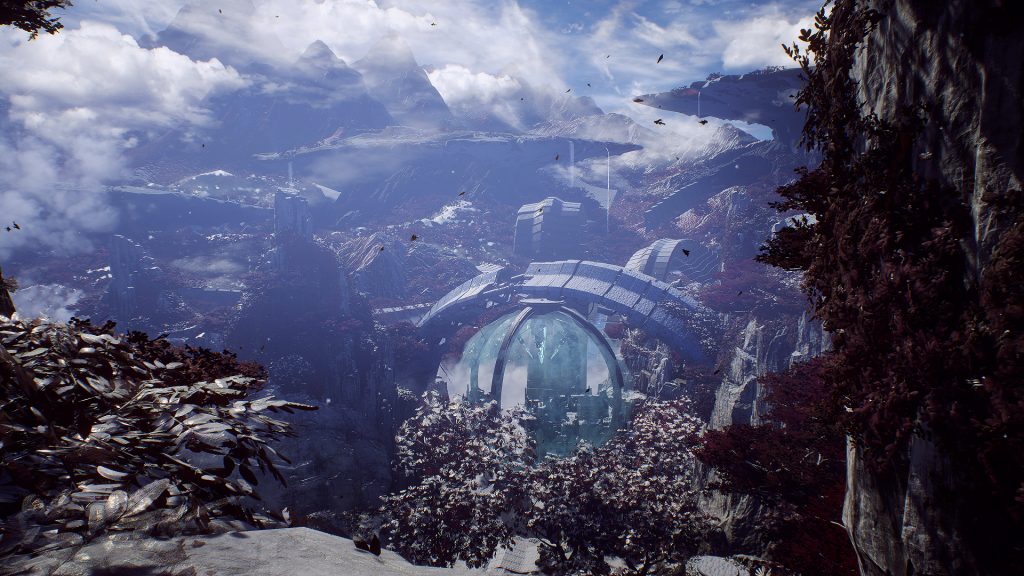
Anthem Update


Hey everyone!
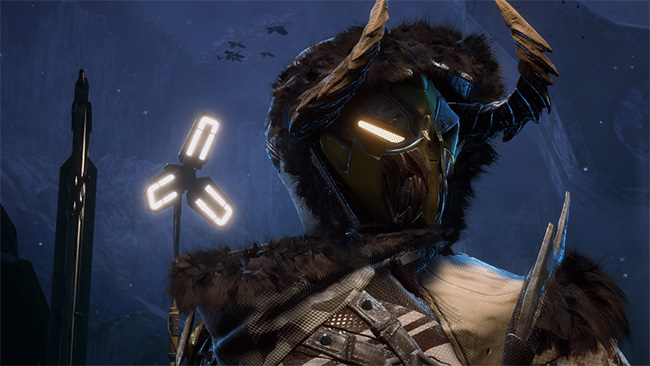
One year ago, we were preparing to launch Anthem – a game that represented a big leap into new territory for us as a studio.  It was an exhilarating and terrifying experience to go out to the world with something new and different, and we are grateful to all the players who have come along with us on the journey.  It has been a thrill for us to see the creativity of our players in designing customized Javelins, and watching them master Anthem’s flying and fighting gameplay.  I am so proud of the work the team has put into this game, and at the same time there’s so much more that we – and you – would have wanted from it. 
Over the last year, the team has worked hard to improve stability, performance and general quality of life while delivering three seasons of new content and features.  We have also heard your feedback that Anthem needs a more satisfying loot experience, better long-term progression and a more fulfilling end game.  So we recognize that there’s still more fundamental work to be done to bring out the full potential of the experience, and it will require a more substantial reinvention than an update or expansion.  Over the coming months we will be focusing on a longer-term redesign of the experience, specifically working to reinvent the core gameplay loop with clear goals, motivating challenges and progression with meaningful rewards – while preserving the fun of flying and fighting in a vast science-fantasy setting.  And to do that properly we’ll be doing something we’d like to have done more of the first time around – giving a focused team the time to test and iterate, focusing on gameplay first.
In the meantime, we will continue to run the current version of Anthem, but move away from full seasons as the team works towards the future of Anthem. We’ll keep the game going with events, store refreshes, and revisiting past seasonal and cataclysm content – starting with our anniversary towards the end of the month. 
Creating new worlds is central to our studio mission, but it’s not easy.  Sometimes we get it right, sometimes we miss.  What keeps us going is the support from players like you.  Your feedback gives us guidance on how we can improve, and your passion inspires us with the courage to create.   I look forward to working together with your involvement and feedback towards the best possible future for Anthem. 
Casey
Design a site like this with WordPress.com
Get started